Lumi Kids
Spanish Greetings for Kids: Hola, Gracias and More
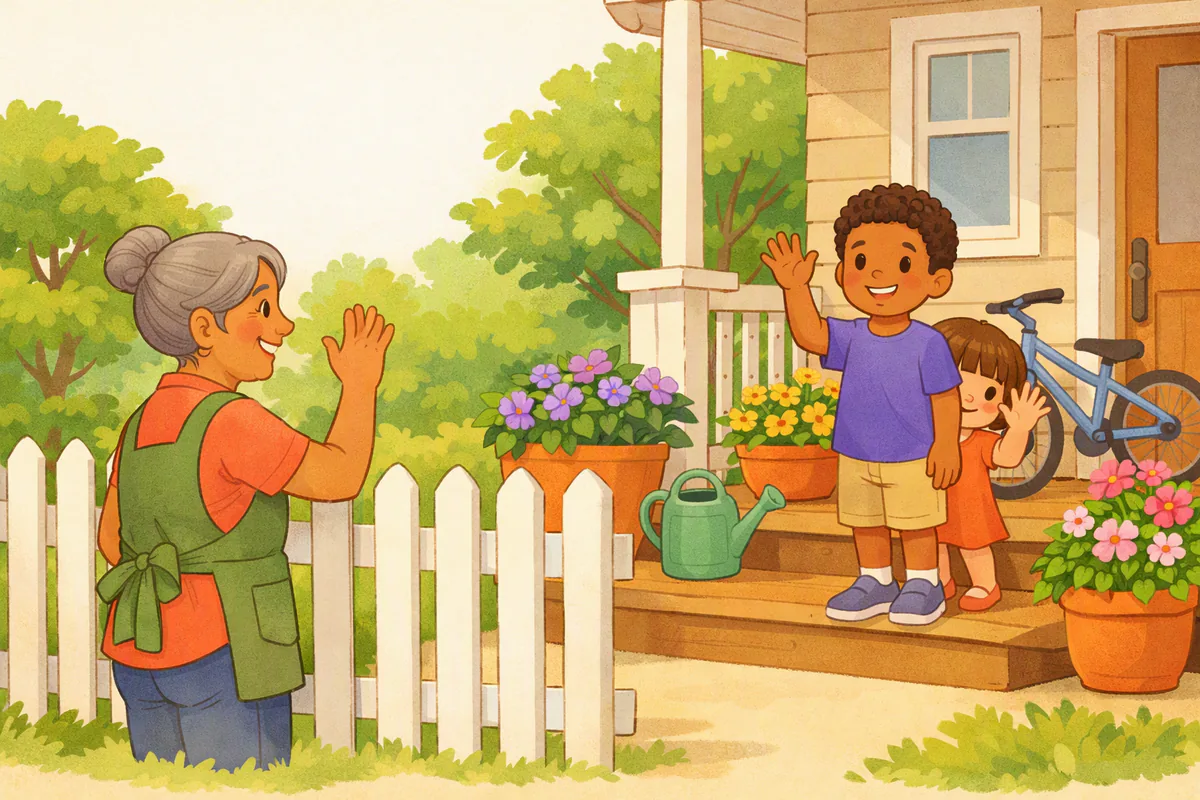
Greetings are the Spanish your child can use with real people from day one: a neighbor, a classmate, a grandparent on a video call. This page has the 13 words and short phrases kids need first, each with its English meaning, a "say it" guide for English speakers and Lumi's audio, then three tiny dialogues to act out at home.
Spanish greetings and polite words, with audio
| Spanish | English | Say it | Listen |
|---|---|---|---|
| hola | hello, hi | OH-lah | |
| adiós | goodbye | ah-DYOHS | |
| buenos días | good morning | BWEH-nohs DEE-ahs | |
| buenas tardes | good afternoon | BWEH-nahs TAR-dehs | |
| buenas noches | good evening, good night | BWEH-nahs NOH-chehs | |
| ¿cómo estás? | how are you? | KOH-moh ehs-TAHS | |
| muy bien | very well | MWEE BYEHN | |
| gracias | thank you | GRAH-see-ahs | |
| de nada | you're welcome | deh NAH-dah | |
| por favor | please | por fah-BOR | |
| sí | yes | SEE | |
| no | no | NOH | |
| amigo | friend | ah-MEE-goh |
Amigo is a boy or man; a girl friend is amiga (ah-MEE-gah). Voices: Lumi (AI-generated voice).
Three sounds to listen for: the h in hola is silent, ll in llamas sounds like y, and d between vowels (nada) is soft, almost like the th in "this".
Which greeting when?
| Time of day | Hello | Goodbye |
|---|---|---|
| Any time | hola | adiós, hasta luego |
| Morning (until lunch) | buenos días | adiós, que tengas un buen día ("have a nice day") |
| Afternoon | buenas tardes | hasta mañana ("see you tomorrow") |
| Evening and bedtime | buenas noches | buenas noches |
Notice buenos in the morning but buenas later: día is a masculine word, tardes and noches are feminine. Your child does not need the rule; the phrases are learned as a whole.
Three tiny dialogues to act out
Use two puppets, two stuffed animals or just the two of you. Each one takes about a minute.
Meeting someone new
- ¡Hola! ¿Cómo te llamas? (OH-lah, KOH-moh teh YAH-mahs): "Hi! What's your name?"
- Me llamo Sofía. ¿Y tú? (meh YAH-moh soh-FEE-ah, ee TOO): "My name is Sofía. And you?"
- Me llamo Leo. ¡Mucho gusto! (MOO-choh GOOS-toh): "My name is Leo. Nice to meet you!"
How are you?
- ¿Cómo estás? "How are you?"
- Muy bien, gracias. ¿Y tú? "Very well, thanks. And you?"
- ¡Bien! (BYEHN): "Good!"
At the table
- ¿Quieres agua? (KYEH-rehs AH-gwah): "Do you want water?"
- Sí, por favor. "Yes, please." — Gracias. "Thank you." — De nada. "You're welcome."
Make greetings a daily habit
The easiest way to keep greetings alive is to use them at fixed moments: buenos días at breakfast, gracias at dinner, buenas noches at bedtime. After a week, start answering only when your child says por favor, with a smile. It turns the word into a game rather than a rule.
If nobody at home speaks Spanish, that is fine: play the audio, repeat after Lumi and learn alongside your child. Our article on teaching your child Spanish at home shows how parents who are not fluent can still run a daily routine.
In the Lumi Kids app, greetings are the first world of the free Seed level, "Hello World": hola, adiós, sí, no, gracias, por favor, amigo and buenos días. Your child hears them, finds the right picture and then says hello to Lumi, the AI owl, out loud. See the app.
Free Spanish greetings worksheet (PDF)
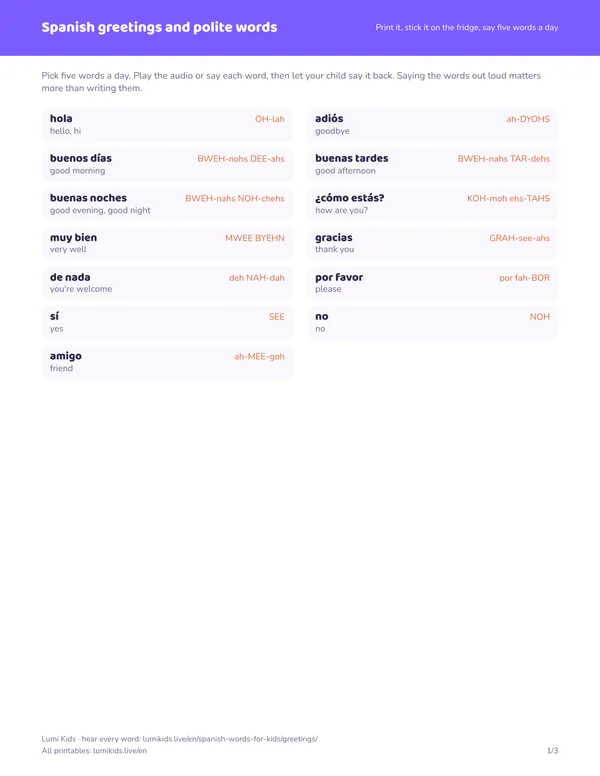
Three pages: the greetings with a say-it guide, a matching worksheet (Spanish to English) and a writing sheet. Free to print at home or in class.
Download the PDF: Spanish greetings and polite wordsMore Spanish words for kids
- Family words in Spanish: say hola to abuela and abuelo.
- Numbers in Spanish: ¿Cuántos años tienes?
- Colors in Spanish and animals in Spanish.
- All Spanish words for kids and the Spanish for kids page.
Frequently asked questions
How do you say hello in Spanish to a child?
¡Hola! (OH-lah). The h is silent. With a child you can add their name or ¿Cómo estás? ("How are you?"). In the morning, buenos días (BWEH-nohs DEE-ahs) sounds friendly and a little more polite.
What are basic Spanish phrases for kids?
Start with hola, adiós, por favor, gracias, de nada, sí, no and two short questions: ¿Cómo estás? (How are you?) and ¿Cómo te llamas? (What's your name?). With these a child can greet, ask, thank and say goodbye.
When do you say buenas tardes and buenas noches?
Buenas tardes is used from about lunchtime until it gets dark; buenas noches after dark, both to say hello in the evening and to say good night at bedtime.
Should kids say tú or usted?
Children use tú with friends and family: ¿Cómo estás? With a teacher or an older neighbor, many families teach the polite form: ¿Cómo está usted? Habits differ between countries and families, so follow what your child's teacher or relatives use.
How do you say goodbye in Spanish?
Adiós (ah-DYOHS) is the general word. Kids also hear hasta luego (AHS-tah LWEH-goh, "see you later") and nos vemos ("see you"), which Lumi uses in the app: ¡Adiós, nos vemos!
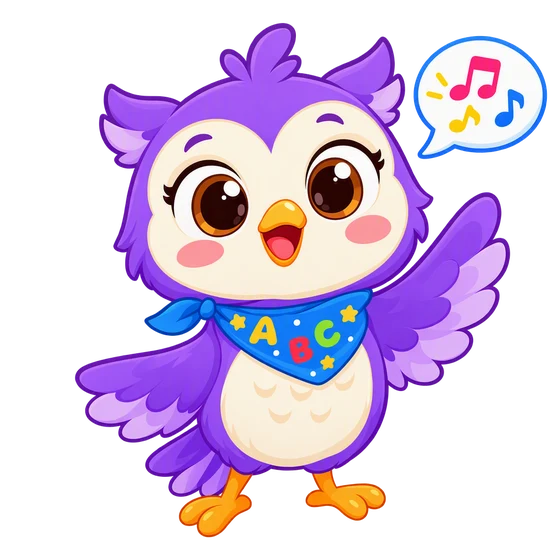
In the Lumi Kids app, Lumi the AI owl talks with your child, corrects gently and hands out stars. Ages 4–9, no ads. The first two levels and the first minute of live conversation are free.
Download on the App Store
The team behind Lumi Kids. Articles are written using published research on early-childhood language acquisition and the curriculum built into the app, and are reviewed and updated over time. Questions or corrections: hello@lumikids.live