Lumi Kids
Best Arabic Apps for Kids: Letters, Stories and Speaking
A good Arabic app for a child teaches the sounds by ear first, makes clear which Arabic it uses, and treats the right-to-left script as a step of its own. For ages 4–6, choose listening, speaking and simple letter games; from about 6–7, phonics and leveled reading; older children can take on story libraries and longer conversations.
How we compared
We used only what each provider states on its own website or store listings, and asked every app the same questions. For Arabic they carry particular weight.
- Which Arabic. Modern Standard Arabic (fusha) is used in books, school and news; every Arab country also has a spoken dialect. We name the variety only where the provider does.
- Who it is for. Some Arabic apps are written for children who already speak Arabic at home and need to read it; others are for complete beginners. The notes below say which, where the provider states it.
- Reading needed. Arabic runs right to left and most letters join, changing shape at the start, middle or end of a word. For under-6s an app should not depend on reading.
- Speaking practice. Sounds such as ʿayn and ḥā' have no English match and are learned by copying. Some Arabic apps check reading aloud with speech recognition.
- Ads. More Arabic apps in this comparison show ads than in most other languages, so we list ad status in every note.
- Ages, format, pricing model and offline use, as stated. No prices.
| App | Product | Ages (as stated) | Format | Speaking practice | Reading needed | Pricing model | Platforms | Sources |
|---|---|---|---|---|---|---|---|---|
| 3asafeer | 3asafeer School | 3–18 | Reading | Not stated | Not stated | Free part + paid | Web, iPhone/iPad, Android | [1] [2] [3] |
| AlifBee Kids | 3+ | Games | Not stated | Not stated | Subscription | iPhone/iPad, Android | [4] [5] [6] | |
| Amal | Amal: Learn Arabic for Kids | 3–15 | Lessons | Speech recognition | Not stated | Free part + paid | iPhone/iPad, Android | [7] [8] [9] |
| ArabEasy | 6–14 | Reading | Not stated | Not stated | Subscription | iPhone/iPad | [10] [11] [12] | |
| Dinolingo | Dinolingo Arabic | 2–14 | Lessons | Speech recognition | No | Subscription | iPhone/iPad, Android, Web | [13] [14] [15] [16] [17] [18] |
| Duolingo | Duolingo Arabic course | Not stated | Lessons | Speech recognition | Yes | Free part + paid | iPhone/iPad, Android, Web | [19] [20] [21] [22] [23] |
| Gus on the Go | Gus on the Go: Arabic | 0–5 | Games | Not stated | No | One-time purchase | iPhone/iPad, Android | [24] [25] [26] [27] [28] |
| I Read Arabic | 4–18 | Reading | Not stated | Not stated | Subscription | iPhone/iPad, Android | [29] [30] [31] | |
| Kalam Readers | Kalam Readers: Arabic Phonics | 4+ | Games | Speech recognition | Not stated | Not stated | iPhone/iPad | [32] [33] |
| Kida Apps | Arabic Alphabet: Learn & Write | Not stated | Games | Not stated | Not stated | Subscription | iPhone/iPad, Android | [34] [35] |
| Lamsa | Not stated | Games | Not stated | Not stated | Free part + paid | iPhone/iPad, Android | [36] [37] [38] | |
| LangsForKids | Arabic For Kids | Not stated | Lessons | Not stated | Not stated | Free part + paid | Android | [39] [40] |
| Little Pim | Little Pim Arabic | 0–6 | Videos | No | No | Subscription | iPhone/iPad, Android, Web | [41] [42] [43] [44] |
| Lumi Kids (our app) | 4–12 | AI voice tutor | Conversation with AI | No | Free part + paid | iPhone/iPad, Android | [45] [46] | |
| Nimnim | Nimnim - Learn Arabic for kids | 2–7 | Games | Not stated | Not stated | Free | iPhone/iPad | [47] |
| Studio4Kids | Arabic4Kids (Arabic for Kids - Alphabet) | 3–8 | Games | Not stated | Not stated | Free part + paid | iPhone/iPad, Android | [48] [49] [50] |
| Unuhi | Unuhi bilingual books (Arabic) | 3–8+ | Reading | Not stated | Not stated | Free part + paid | iPhone/iPad, Android | [51] [52] [53] |
| ZingyBear for Kids apps | Arabic for Kids: Learn & Play | 3–9 | Lessons | Not stated | No | Free part + paid | iPhone/iPad | [54] |
Facts as each provider states them on its own site or store listing, checked on October 27, 2026. No prices (they differ by country and change), no ratings. Lumi Kids is our app.
Sources
- https://apps.apple.com/us/app/3asafeer-school-learn-arabic/id1042570113
- https://3asafeer.com/?lang=en
- https://play.google.com/store/apps/details?id=com.asafeer.school
- https://apps.apple.com/us/app/alifbee-kids-learn-arabic/id1515462185
- https://www.alifbeekids.com/en
- https://play.google.com/store/apps/details?id=com.alemi.alifbeekids
- https://apps.apple.com/us/app/amal-learn-arabic-for-kids/id1517863038
- https://www.thealphazed.com/
- https://play.google.com/store/apps/details?id=com.alphazed.amal
- https://arabeasy.app/
- https://arabeasy.app/faq/
- https://apps.apple.com/us/app/arabeasy/id1547266468
- https://dinolingo.com/
- https://dinolingo.com/language-courses/
- https://dinolingo.com/dinolingo-app/
- https://dinolingo.com/dinolingo-launches-new-speaking-feature/
- https://apps.apple.com/us/app/dinolingo-kids-learn-languages/id1537076111
- https://play.google.com/store/apps/details?id=com.dinolingo.dinolearning
- https://apps.apple.com/us/app/duolingo-learn-languages/id570060128
- https://play.google.com/store/apps/details?id=com.duolingo
- https://www.duolingo.com/privacy
- https://www.duolingo.com/terms
- https://blog.duolingo.com/count-on-duolingo-for-flexible-language-learning-this-school-year/
- https://apps.apple.com/us/app/gus-on-the-go-arabic/id836566633
- https://play.google.com/store/apps/details?id=com.toojuice.android.gus.arabic.standard
- https://www.gusonthego.com/
- https://www.gusonthego.com/gus-on-the-go-faq/
- https://play.google.com/store/apps/developer?id=toojuice,+LLC
- https://ireadarabic.com/
- https://apps.apple.com/us/app/i-read-arabic-fun-learning/id1078563088
- https://play.google.com/store/apps/details?id=air.ltm.Ireadarabic
- https://apps.apple.com/us/app/kalam-readers-arabic-phonics/id6757209803
- https://get.kalamkidslearning.com/
- https://apps.apple.com/us/app/arabic-alphabet-learn-write/id6447487137
- https://kida.app/
- https://lamsa.com/en/home
- https://apps.apple.com/us/app/lamsa-kids-learning-app/id517583488
- https://play.google.com/store/apps/details?id=com.ertiqa.lamsa
- https://play.google.com/store/apps/details?id=com.langkids.arabicforkids
- https://play.google.com/store/apps/developer?id=LangsForKids
- https://www.littlepim.com/
- https://www.littlepim.com/faq
- https://apps.apple.com/us/app/little-pim-video/id1492323426
- https://play.google.com/store/apps/details?id=com.littlepim.videoplayer
- https://apps.apple.com/us/app/lumi-kids-learn-languages/id6797690284
- https://play.google.com/store/apps/details?id=us.appfusion.speaklykids&hl=en
- https://apps.apple.com/us/app/nimnim-learn-arabic-for-kids/id1565281708
- https://apps.apple.com/us/app/arabic-for-kids-alphabet/id6467179976
- https://play.google.com/store/apps/details?id=com.studioforkids.arabicforkids
- https://www.studioforkids.com/
- https://unuhi.com/
- https://apps.apple.com/us/app/unuhi-bilingual-books/id1394567278
- https://play.google.com/store/apps/details?id=com.oxfordappdevelopment.unuhi
- https://zingybear.com/apps/
The numbers in each row link to the sources listed under the table.
Little Pim
Little Pim Arabic is a video series for ages 0–6, with 5-minute episodes covering 360+ words and phrases. No reading, no speaking task, no ads; one subscription covers 12 languages and plays on TV devices too.
Gus on the Go
Gus on the Go: Arabic teaches about 90 first words to children up to 5, needs no reading, and is a one-time purchase with no ads or in-app purchases.
Nimnim
Nimnim (ages 2–7) is four Arabic alphabet and first-word puzzle games in Modern Standard Arabic. It is listed as free, and the developer states there are no hidden costs or in-game ads. iPhone and iPad only.
Lamsa
Lamsa is a bilingual Arabic–English early-learning app for toddlers and preschoolers, covering letters, numbers, science and social-emotional skills rather than Arabic alone. It has a free part plus paid Premium (which includes offline downloads), and Google Play labels it "Contains ads".
Studio4Kids
Arabic4Kids (ages 3–8) teaches letter sounds, tracing and first words, with Modern Standard Arabic or Egyptian-dialect audio. The first three levels are free, full access is a one-time purchase, and there are no ads.
Kida Apps
Arabic Alphabet: Learn & Write from Kida Apps teaches letter tracing and letter sounds as a subscription on iPhone, iPad and Android. We found no stated age or ad policy for the Arabic app.
AlifBee Kids
AlifBee Kids (3+) combines the Arabic alphabet, vocabulary and the animated Arabian Sindbad series with Quran memorization and Islamic studies. Premium is sold as a subscription or a one-time lifetime purchase; no ads.
Kalam Readers
Kalam Readers (4+) is a phonics game that covers all 28 letters in their positional forms, building up to blending words and reading sentences, with speech recognition. It has no ads, runs on iPhone and iPad (Android is listed as coming soon), and its pricing model is not stated.
ZingyBear for Kids apps
"Arabic for Kids: Learn & Play" (ages 3–9) pairs native Arabic audio with English and adds math, science and culture topics. No reading needed, no ads, works offline; iPhone and iPad only.
Amal
Amal (ages 3–15 on the provider's site, 4–12 on Google Play) teaches step-by-step Arabic literacy from letters to reading for heritage-language families and beginners, with read-aloud pronunciation correction. Free part plus paid, no ads.
3asafeer
3asafeer School is a leveled Arabic story library with cartoons, songs, games and worksheets for native and non-native learners aged 3–18, including placement tests and guided paths for non-native learners. It has a free part plus paid content, runs on the web, iPhone, iPad and Android, and Google Play labels it "Contains ads".
I Read Arabic
I Read Arabic (ages 4–18) is a leveled e-book library read aloud, with games, videos, quizzes and voice recording for reading-aloud practice. The provider describes it as a platform for Arabic speakers from kindergarten to grade 12, so it suits children with Arabic at home. Subscription.
ArabEasy
ArabEasy (ages 6–14) is written for non-native children: e-books leveled to the ACTFL scale, flashcards, videos and a placement test. Subscription, on iPhone and iPad; its FAQ mentions Android, but we found no Google Play listing.
Unuhi
Unuhi's dual-language picture books and flashcards include Arabic, but Arabic is text-only: native narration covers six other languages. Useful for a child or parent who already reads some Arabic. Stated ages 3–8+; some books are free, others paid; usable offline.
Dinolingo
Dinolingo Arabic is one of 50 languages in a subscription for up to six children, taught through videos, games, songs, books and worksheets without translation, with speech recognition since June 2026. Stated ages: 2–12 or 2–14, depending on the store.
Lumi Kids (our app)
Lumi Kids is our app; please read this section knowing that. Children aged 4–12 hear Modern Standard Arabic, play with the words and then talk with Lumi, an AI owl who explains in English; the cards show the Arabic script with a Latin-letter guide, and the app teaches by listening and speaking, so no reading is needed. Ten- to 12-year-olds get their own talk topics. Free: the first two levels and 60 seconds of live talk. Lumi Plus, billed monthly or yearly until you cancel, unlocks the remaining two levels and gives 10 minutes of live talk a week. It shows no ads and runs on iPhone, iPad and Android.
LangsForKids
Arabic For Kids by LangsForKids is an Android-only picture-vocabulary app on topics such as the alphabet, numbers and animals, with a free part, paid content and ads.
Duolingo
Duolingo's Arabic course sits in a general app for all ages, not a kids' app, and it expects reading. Under-13s get "Child User" accounts with a username instead of an email and restricted social features. Speech recognition is included; the free tier shows ads (non-personalized for under-16s), which Super Duolingo removes.
Which app at which age
Ages 4–6: sounds and greetings. Let your child hear Arabic every day and copy it: marhaban, shukran, ma'a as-salama. A listening or speaking app with no reading (Little Pim, Gus on the Go, Nimnim, Lumi Kids) fits; letter games such as Arabic4Kids or Kalam Readers can start gently near 5.
Ages 7–9: letters, joining, first reading. This is the age for phonics and short leveled books: Amal, Kalam Readers, 3asafeer or I Read Arabic for children with Arabic at home, ArabEasy or Dinolingo for beginners. Keep one spoken activity in every session.
Ages 10–12: reading for meaning. Story libraries with ages into the teens (3asafeer, I Read Arabic, ArabEasy) and conversation practice keep older children going. A weekend school or a tutor adds grammar and handwriting.
Arabic in the US: learned at home and in the community
Arabic was taught in about 1% of US public schools in January 2024 and was the partner language in about 2% of public schools with dual-language programs; the report marks both figures as uncertain (ACTFL report on NCES data, March 2026; checked October 27, 2026). Yet 10% of US adults said in March 2026 that it is extremely or very important for schools to offer Arabic (Pew Research Center; checked October 27, 2026).
Most children who learn Arabic in the US do so because their family speaks it, often a dialect at home and Modern Standard Arabic in books and weekend classes. An app can give a few minutes of clear Arabic and letter practice every day. It cannot hold a conversation in your family's dialect, correct a child's handwriting, or replace a teacher, grandparents and books read aloud. Our guide to raising a bilingual child covers keeping a home language alive, and the best age to learn a second language answers the starting-age question.
Free, freemium or subscription?
Four pricing models appear for Arabic. Free (Nimnim) costs nothing. One-time purchase (Gus on the Go) is a single payment with nothing to renew. Free part + paid (3asafeer, Amal, Duolingo, Lamsa, LangsForKids, Studio4Kids, Unuhi, ZingyBear, Lumi Kids) opens part of the app first. Subscription (AlifBee Kids, ArabEasy, Dinolingo, I Read Arabic, Kida Apps, Little Pim) renews until you cancel; AlifBee also sells a lifetime option. Kalam Readers does not state its model.
In the free part, check three things: which Arabic the voice speaks, whether ads appear, and whether your child is asked to say or read anything aloud. Note trial end dates. To cancel an app-store subscription on an iPhone or iPad, open Settings, tap your name and go to Subscriptions; on Android, the Google Play Store lists them under Payments & subscriptions in your profile. Deleting the app does not cancel.
The 64 first Arabic words in Modern Standard Arabic, with Lumi's voice and a Latin-letter guide, are on Arabic for kids. Every other language is on the languages for kids hub.
Frequently asked questions
Do Arabic apps for kids teach Modern Standard Arabic or a dialect?
Lumi Kids and Nimnim state Modern Standard Arabic (fusha), and Studio4Kids' Arabic app lets you choose Modern Standard or Egyptian-dialect audio. Most other providers don't say on the pages we checked. Modern Standard Arabic is the shared form used in books and school; families can keep their dialect at home alongside it.
My child understands Arabic but can't read it. Which apps help?
Look at the literacy apps: Amal takes heritage-language children and beginners from letters to reading with read-aloud correction, Kalam Readers teaches phonics through all 28 letters in their positional forms, and 3asafeer and I Read Arabic are leveled story libraries. Pair them with plenty of talking at home.
Which Arabic apps for kids have no ads?
AlifBee Kids, Amal, Dinolingo, Gus on the Go, Kalam Readers, Little Pim, Nimnim, Studio4Kids, ZingyBear and Lumi Kids state no ads. 3asafeer and Lamsa are labelled "Contains ads" on Google Play, LangsForKids shows ads, and so does Duolingo's free tier. ArabEasy, I Read Arabic, Kida Apps and Unuhi don't say.
Are there Arabic apps with Quran or Islamic studies?
In this comparison, AlifBee Kids states that it combines the Arabic alphabet, vocabulary and its animated series with Quran memorization and Islamic studies. If you want language learning only, read each app's description before you subscribe.
Which Arabic apps let my child speak and get feedback?
Amal and Kalam Readers use speech recognition for reading aloud, Dinolingo and Duolingo use speech recognition, and Lumi Kids holds a spoken conversation with an AI owl. I Read Arabic lets children record themselves reading aloud.
When should my child start reading Arabic?
After the sounds are familiar. Many children are ready for a few letters a week around 5 or 6. Arabic letters change shape depending on where they sit in a word, so short, regular practice works better than long sessions.
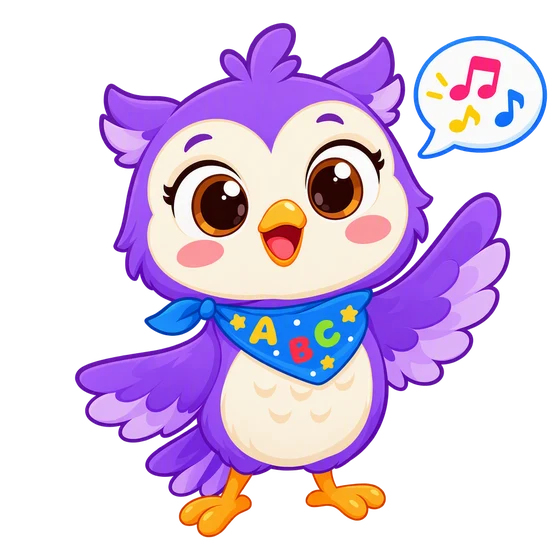
In the Lumi Kids app, Lumi the AI owl talks with your child, corrects gently and hands out stars. Ages 4–12, no ads. The first two levels and the first minute of live conversation are free.


The team behind Lumi Kids. Articles are written using published research on early-childhood language acquisition and the curriculum built into the app, and are reviewed and updated over time. Questions or corrections: hello@lumikids.live