Lumi Kids
Best Portuguese Apps for Kids: Brazilian or European?
A good Portuguese app for a child speaks the variety your family uses, plays clear audio for the nasal sounds and gets your child answering out loud. For ages 4–6, pick apps that work by ear; at 7–9, add reading, which is fairly regular in Portuguese; older children need an app that still fits their age, plus real conversation.
How we compared
Every fact here is taken from the provider's own website or store listings, and every app got the same questions. For Portuguese, two questions come first.
- Brazilian or European. The two varieties share spelling and most words but sound clearly different: a Brazilian says verde (green) as VEHR-jee, while in Portugal the final e almost disappears. We name the variety wherever the provider states it.
- Speaking practice. Nasal vowels (não, no; mãe, mother) and the r at the start of a word, which in Brazil sounds like an English h (rato, HAH-too), are learned by copying a voice. For each app we record whether it listens with speech recognition, talks back with AI, or neither.
- Reading needed. Portuguese is mostly read as written, but accents and nasal marks (ã, õ, ç) are new for English speakers. Under 6, an app should not depend on text.
- How many choices. We found fewer Portuguese apps for kids than Spanish or French ones, and several are courses inside multi-language brands.
- The rest of the table: ages, format and pricing model as each provider states them, plus ads and offline use in the notes. No prices.
| App | Product | Ages (as stated) | Format | Speaking practice | Reading needed | Pricing model | Platforms | Sources |
|---|---|---|---|---|---|---|---|---|
| ABC dos Monstrinhos | ABC Portuguese for Kids (ABC dos Monstrinhos) | 3–6 | Games | Not stated | Not stated | One-time purchase | iPhone/iPad | [1] [2] |
| Dinolingo | Dinolingo Portuguese | 2–14 | Lessons | Speech recognition | No | Subscription | iPhone/iPad, Android, Web | [3] [4] [5] [6] [7] [8] |
| Duolingo | Duolingo Portuguese course | Not stated | Lessons | Speech recognition | Yes | Free part + paid | iPhone/iPad, Android, Web | [9] [10] [11] [12] [13] |
| Fluency Kids | Fluency Kids Portuguese | 4–12 | Reading | Not stated | Not stated | Not stated | Android | [14] [15] |
| Gus on the Go | Gus on the Go: Portuguese | 0–5 | Games | Not stated | No | One-time purchase | iPhone/iPad, Android | [16] [17] [18] [19] [20] |
| Kida Apps | Portuguese alphabet for kids + | Not stated | Games | Not stated | Not stated | Subscription | iPhone/iPad, Android | [21] [22] |
| LangsForKids | Portuguese For Kids | Not stated | Lessons | Not stated | Not stated | Free part + paid | Android | [23] [24] |
| Little Pim | Little Pim Portuguese | 0–6 | Videos | No | No | Subscription | iPhone/iPad, Android, Web | [25] [26] [27] [28] |
| Lumi Kids (our app) | 4–12 | AI voice tutor | Conversation with AI | No | Free part + paid | iPhone/iPad, Android | [29] [30] | |
| Unuhi | Unuhi bilingual books (Portuguese (European)) | 3–8+ | Reading | Not stated | Not stated | Free part + paid | iPhone/iPad, Android | [31] [32] [33] |
Facts as each provider states them on its own site or store listing, checked on October 27, 2026. No prices (they differ by country and change), no ratings. Lumi Kids is our app.
Sources
- https://apps.apple.com/us/app/abc-portuguese-for-kids/id1542097594
- https://abcdosmonstrinhos.com.br/
- https://dinolingo.com/
- https://dinolingo.com/language-courses/
- https://dinolingo.com/dinolingo-app/
- https://dinolingo.com/dinolingo-launches-new-speaking-feature/
- https://apps.apple.com/us/app/dinolingo-kids-learn-languages/id1537076111
- https://play.google.com/store/apps/details?id=com.dinolingo.dinolearning
- https://apps.apple.com/us/app/duolingo-learn-languages/id570060128
- https://play.google.com/store/apps/details?id=com.duolingo
- https://www.duolingo.com/privacy
- https://www.duolingo.com/terms
- https://blog.duolingo.com/count-on-duolingo-for-flexible-language-learning-this-school-year/
- https://play.google.com/store/apps/details?id=com.fluencylang.fluencykids
- https://getfluencyapp.com/kids/privacy
- https://apps.apple.com/us/app/gus-on-the-go-portuguese/id748073886
- https://play.google.com/store/apps/details?id=com.toojuice.android.gus.portuguese.brazil
- https://www.gusonthego.com/
- https://www.gusonthego.com/gus-on-the-go-faq/
- https://play.google.com/store/apps/developer?id=toojuice,+LLC
- https://apps.apple.com/us/app/portuguese-alphabet-for-kids/id6670344789
- https://kida.app/
- https://play.google.com/store/apps/details?id=com.langkids.europeanportugueseforkids
- https://play.google.com/store/apps/developer?id=LangsForKids
- https://www.littlepim.com/
- https://www.littlepim.com/faq
- https://apps.apple.com/us/app/little-pim-video/id1492323426
- https://play.google.com/store/apps/details?id=com.littlepim.videoplayer
- https://apps.apple.com/us/app/lumi-kids-learn-languages/id6797690284
- https://play.google.com/store/apps/details?id=us.appfusion.speaklykids&hl=en
- https://unuhi.com/
- https://apps.apple.com/us/app/unuhi-bilingual-books/id1394567278
- https://play.google.com/store/apps/details?id=com.oxfordappdevelopment.unuhi
The numbers in the last column link to each provider's own pages, listed below the table.
ABC dos Monstrinhos
ABC Portuguese for Kids (ABC dos Monstrinhos) teaches the Brazilian Portuguese alphabet and 100+ first words with native audio to preschoolers aged 3–6, and is also aimed at heritage-language families abroad. It is a one-time purchase with no ads that works offline, on iPhone and iPad.
Gus on the Go
Gus on the Go: Portuguese teaches about 90 first words to children up to 5, needs no reading, and is bought once, with no ads and no in-app purchases. The variety is not stated, so listen to the voice first.
Little Pim
Little Pim Portuguese is a set of 5-minute videos for ages 0–6, covering 360+ words and phrases, with no reading and no speaking task. One subscription covers 12 languages and plays on TV devices as well as phones and tablets.
Kida Apps
Kida Apps' "Portuguese alphabet for kids +" teaches letter tracing and letter sounds as a subscription on iPhone, iPad and Android. We found no stated age, ad policy or variety for the Portuguese app.
Unuhi
Unuhi's dual-language picture books and flashcards include European Portuguese, but as text only: Unuhi's native narration covers six other languages. It suits a parent or child who already reads some Portuguese. Unuhi states ages 3–8+, works offline and keeps part of its library free.
Fluency Kids
Fluency Kids Portuguese offers narrated, illustrated short stories and nursery rhymes with each word highlighted as it is read, for approximately ages 4–12 according to its privacy policy, with no accounts and no ads. It is on Google Play only, and the pricing model and variety are not stated.
Dinolingo
Dinolingo states that it offers Portuguese as both Brazilian and European, inside a subscription for 50 languages and up to six children: videos, games, songs, books and worksheets without translation, and speech recognition since June 2026. The App Store gives ages 2–12; the website and Google Play say 2–14.
Lumi Kids (our app)
Lumi Kids is our own app, so factor that in. A child aged 4–12 hears Brazilian Portuguese, plays with the words and then speaks with Lumi, an AI owl who explains in English; reading and spelling in Portuguese are added from age 7, the youngest need no reading, and 10- to 12-year-olds get talk topics of their own. Seed and Sprout, the first two of its four levels, are free, along with 60 seconds of live talk; the other two levels and 10 minutes of live talk a week come with Lumi Plus, a monthly or yearly subscription that renews automatically. There are no ads, and it runs on iPhone, iPad and Android.
LangsForKids
Portuguese For Kids by LangsForKids is an Android-only picture-vocabulary app in European Portuguese (according to its package name), on topics such as the alphabet, numbers, colors and animals. Part of it is free, the rest is paid, and it carries ads.
Duolingo
Duolingo's Portuguese course is part of a general app for all ages, not a kids' app, and it expects reading. Children under 13 can use it through "Child User" accounts, which take a username instead of an email and restrict social features. Speech recognition is built in, and the free tier carries ads (non-personalized for under-16s) unless you pay for Super Duolingo.
Which app at which age
Ages 4–6: by ear, in the family's variety. Choose an app that speaks the Portuguese your relatives speak, needs no reading and keeps sessions short: ABC dos Monstrinhos or Lumi Kids for Brazilian Portuguese, Dinolingo for either; with Gus on the Go or Little Pim, listen to the voice first. Turn nasal sounds into a game: say não holding your nose, then without.
Ages 7–9: speaking and first reading. Children can now read short words, and Portuguese spelling mostly helps them. Narrated stories (Fluency Kids) and a structured course (Dinolingo) fit, with one spoken activity in every session. Video calls in Portuguese with vovó and vovô give practice no app can.
Ages 10–12: keep it alive. Few Portuguese apps for kids state ages this high (Dinolingo, Fluency Kids, Lumi Kids). A confident reader can use Duolingo with a parent nearby. Portuguese-language books, music and a heritage class matter more at this age than any app.
Portuguese in the US: a family language
US school data say little about Portuguese. In the NCES School Pulse Panel of January 2024, Portuguese did not reach the reporting threshold either as a school subject or as a partner language in dual-language programs; the subjects with reportable figures were led by Spanish, French, ASL and German (ACTFL report on NCES data, March 2026; checked October 27, 2026). So a child who learns Portuguese in the US nearly always does it at home, usually because a parent or grandparent comes from Brazil, Portugal or another Portuguese-speaking country.
For those families, an app adds daily minutes and a clear model voice when the Portuguese speaker in the family is busy or far away. It cannot replace the relatives themselves, a Saturday heritage class, Brazilian or Portuguese children's songs, or books read aloud at bedtime. Our guide to raising a bilingual child has routines for keeping a home language going, and the checks in how to choose a language app for a young child apply here too.
Free, freemium or subscription?
Three pricing models appear for Portuguese. One-time purchase (ABC dos Monstrinhos, Gus on the Go): pay once, nothing renews. Subscription (Dinolingo, Kida Apps, Little Pim): access while you pay, renewing on its own. Free part + paid (Duolingo, LangsForKids, Unuhi, Lumi Kids): your child can use part of the app before you decide. Fluency Kids doesn't state its model.
Use the free part to check the accent first: if the voice doesn't sound like the family, your child may resist it. Then watch whether Portuguese words come out of your child's mouth after a few days. Keep track of when any trial ends. To cancel a subscription bought through the App Store, open Settings on the iPhone or iPad, tap your name, then Subscriptions; for Google Play, open the Play Store, tap your profile picture and go to Payments & subscriptions. Deleting the app does not stop the payments.
The 64 first Portuguese words, in Brazilian Portuguese with Lumi's voice and a say-it guide, are on Portuguese (Brazil) for kids; the languages for kids hub has every other language.
Frequently asked questions
Do Portuguese apps for kids teach Brazilian or European Portuguese?
It depends on the app. ABC dos Monstrinhos and Lumi Kids state Brazilian Portuguese; LangsForKids is European Portuguese according to its package name, and Unuhi's Portuguese is European; Dinolingo offers both. The other providers don't say on the pages we checked, so play a sample of the voice.
Is there a Portuguese app for a heritage family living abroad?
ABC dos Monstrinhos (ages 3–6) states that it is also aimed at heritage-language families abroad, with Brazilian Portuguese audio for the alphabet and 100+ first words. For older children, apps with speaking practice and calls with relatives keep the language in use.
Which Portuguese apps let my child speak?
In this table, Dinolingo and Duolingo listen with speech recognition (Dinolingo since June 2026), and Lumi Kids has your child talk with an AI owl. Little Pim states no speaking practice, and the other providers don't state any.
Does knowing Spanish help a child with Portuguese?
Yes, a lot of vocabulary and grammar is shared: gato, casa and banana are the same in both. The sounds differ more than the words, especially the nasal vowels, so listening to Portuguese itself is what helps most.
Which Portuguese app suits a preschooler?
ABC dos Monstrinhos (ages 3–6), Gus on the Go (0–5), Little Pim (0–6), Dinolingo (from 2), Unuhi (3–8+) and Lumi Kids (from 4) state ages that include preschoolers. Gus on the Go, Little Pim, Dinolingo and Lumi Kids need no reading, ABC dos Monstrinhos has native audio for every word, and Unuhi's Portuguese books have no narration.
Do Portuguese apps for kids work offline?
ABC dos Monstrinhos and Unuhi state that they work offline; the other providers don't say. If you want an app for a flight to Brazil or Portugal, download its content and test it in airplane mode first.
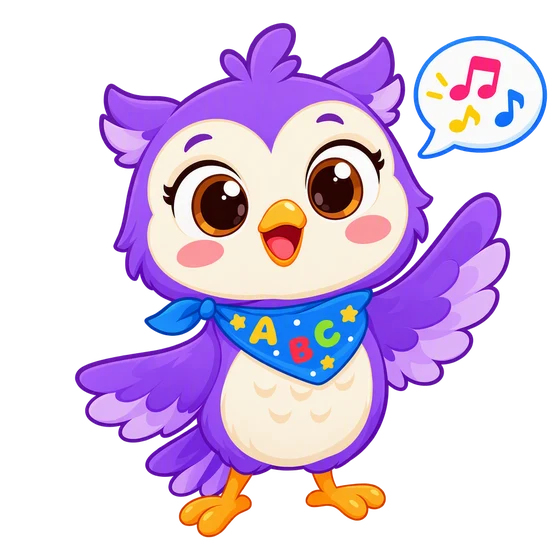
In the Lumi Kids app, Lumi the AI owl talks with your child, corrects gently and hands out stars. Ages 4–12, no ads. The first two levels and the first minute of live conversation are free.


The team behind Lumi Kids. Articles are written using published research on early-childhood language acquisition and the curriculum built into the app, and are reviewed and updated over time. Questions or corrections: hello@lumikids.live